A garden parasol can transform your outdoor space, creating shade for everything from relaxed afternoons to alfresco entertaining. With a wide variety of styles, sizes and materials available, how do you choose the right one for your garden?
Why purchase a parasol?
The main reason to buy a garden parasol is for shade and sun protection. A parasol can make sitting, eating or relaxing outdoors much more enjoyable, keeping you shaded and cool even during the peak of summer.
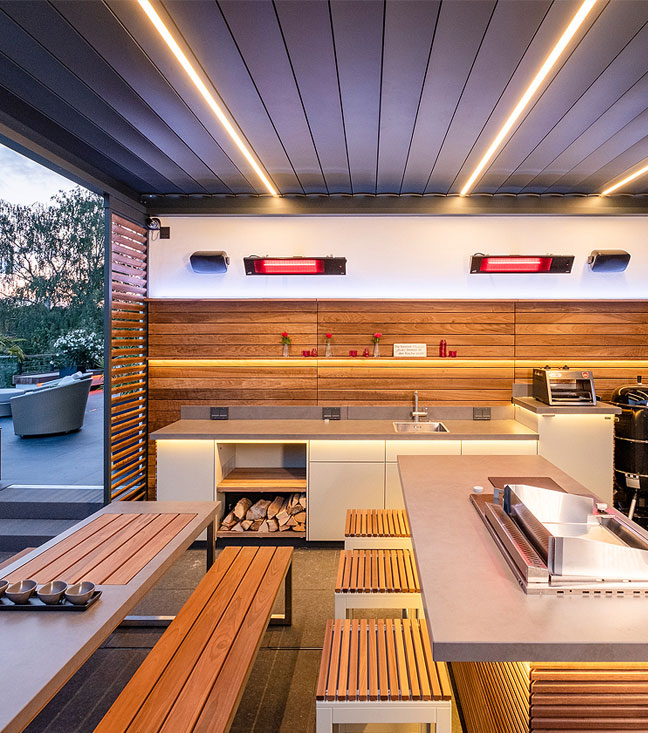
Aside from the practical aspect, there’s also an aesthetic appeal. Parasols come in a wide range of styles and colours to suit any garden style. A parasol can make an open area feel a lot more cosy and if your garden is overlooked, a it can provide privacy. And a parasol is not just for day time; some can be installed with an infrared heater and/or lighting and you’ve got a space you can use well into the evening.
There are parasols to suit all budgets, so it is worth doing your research before you make a purchase. Investing in a quality parasol may cost more initially, but will offer greater durability and performance year after year. A well-made parasol is also more likely to withstand sun, rain and wind to retain its appearance, making it a more sustainable and cost-effective choice in the long run.
Start with the right size
Perhaps the most important consideration is the size. A parasol that is too small won’t provide enough shade and one that is too big will look out of place or obstruct walkways or buildings.
A general rule of thumb is to measure the size of the space that you wish to shade and then add up to 100cm to these dimensions to ensure there is enough coverage. You can buy standard sizes, as well as getting bespoke sizes made too.
Also think about overhead space, especially if your parasol will be in an enclosed space or there are trees overhanging. If height is an issue, look for a parasol that can be adjusted – some can also tilt so adjustments can be made depending on the sun and the time of day.
Cantilever or centre-pole?
Whether you choose a centre-pole or cantilever will largely depend on how you intend to use your outdoor space.
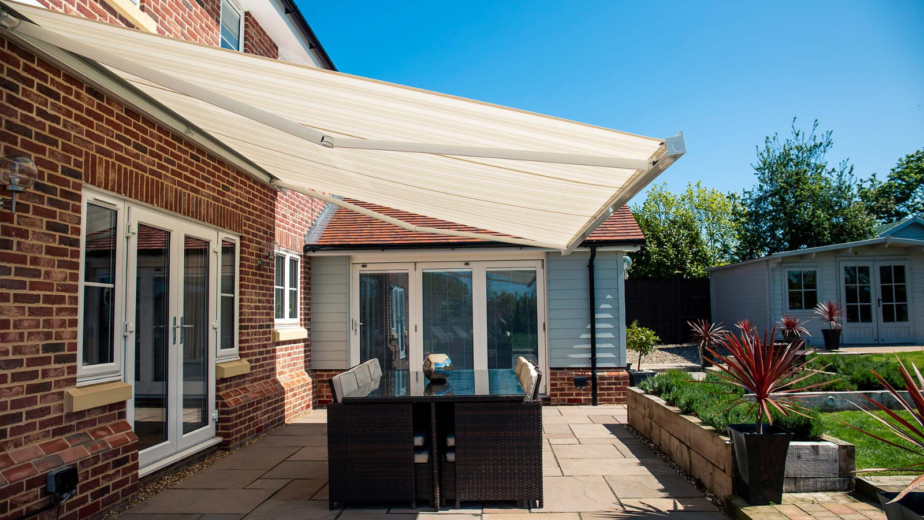
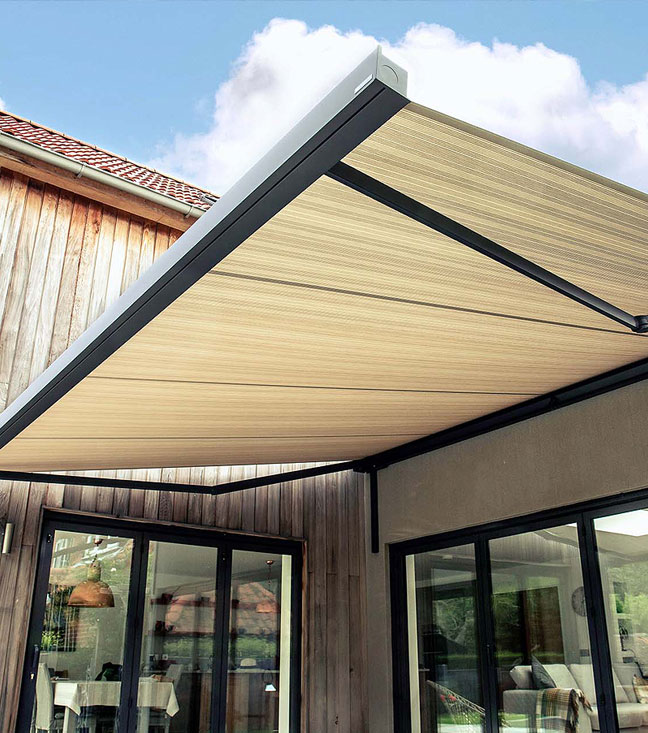
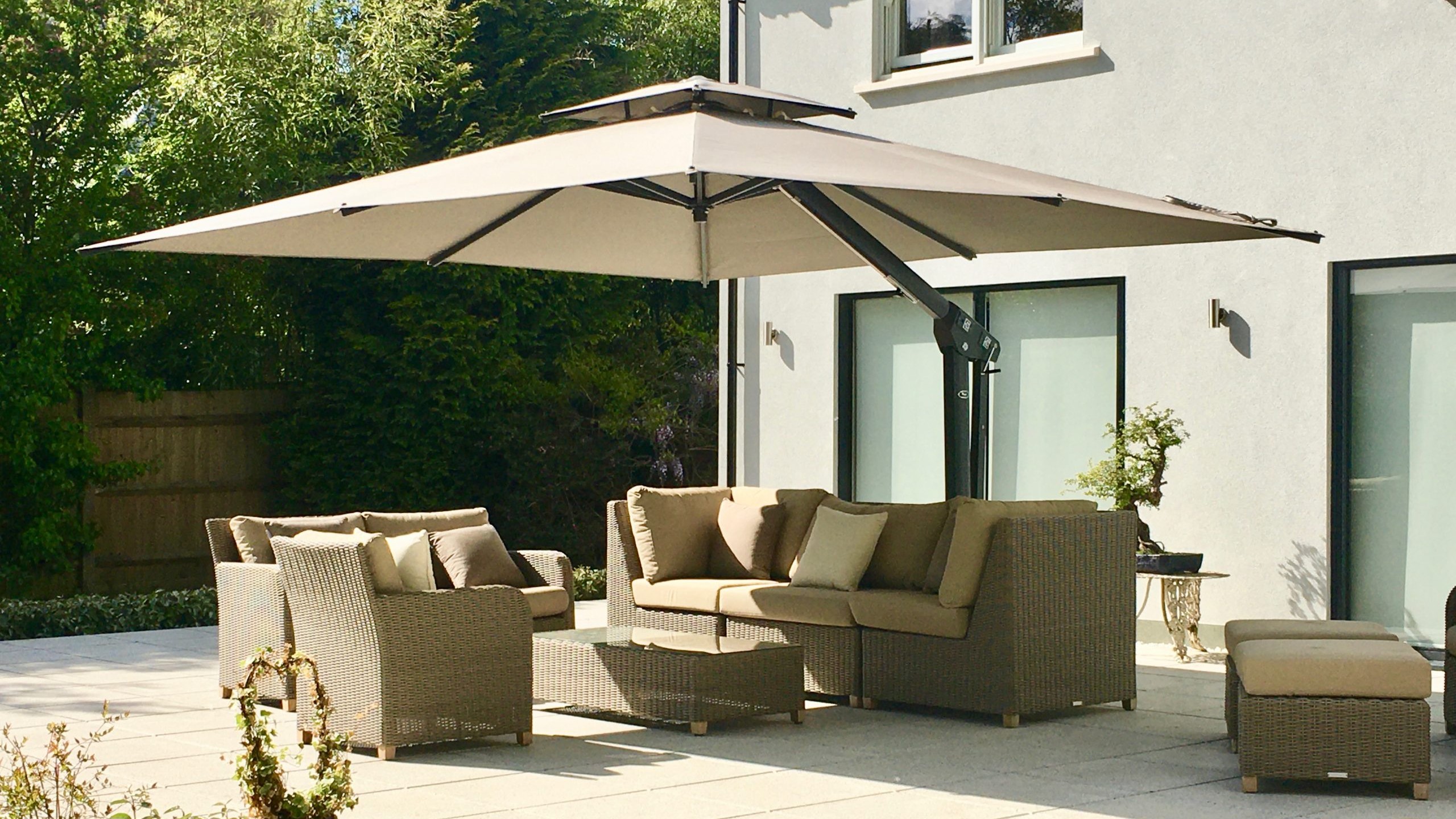
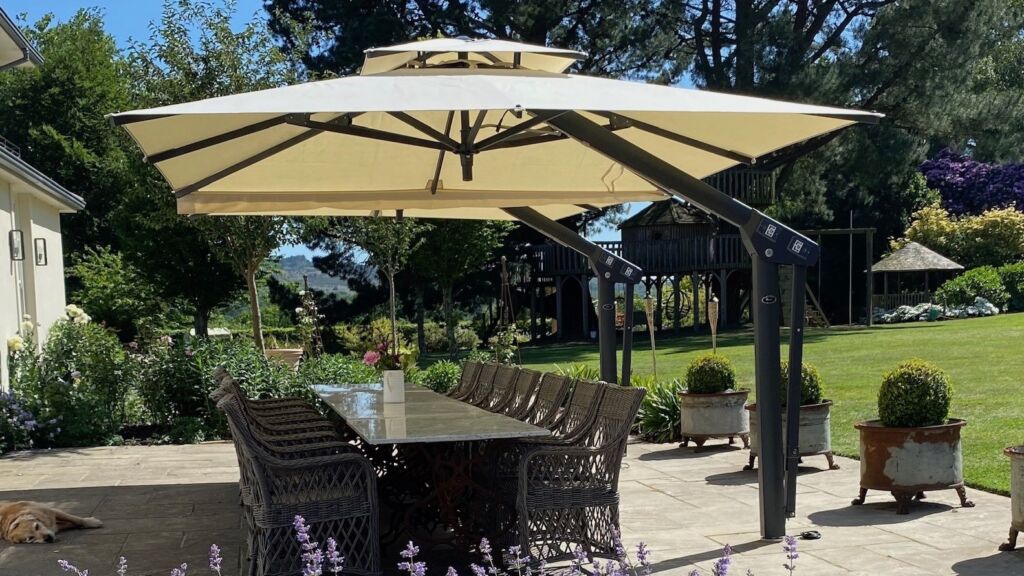
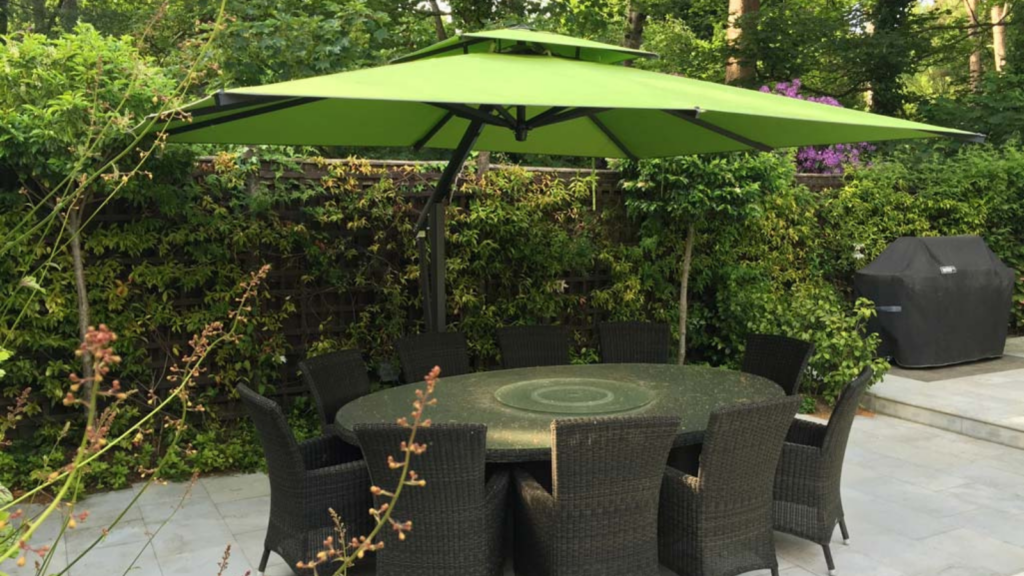
Cantilever parasols have become more popular over the years, as they are so versatile. Cantilever parasols suspend the canopy from a side-mounted arm, leaving the space beneath completely unobstructed. This makes them an excellent choice for dining areas, lounge seating or anywhere flexibility is important.
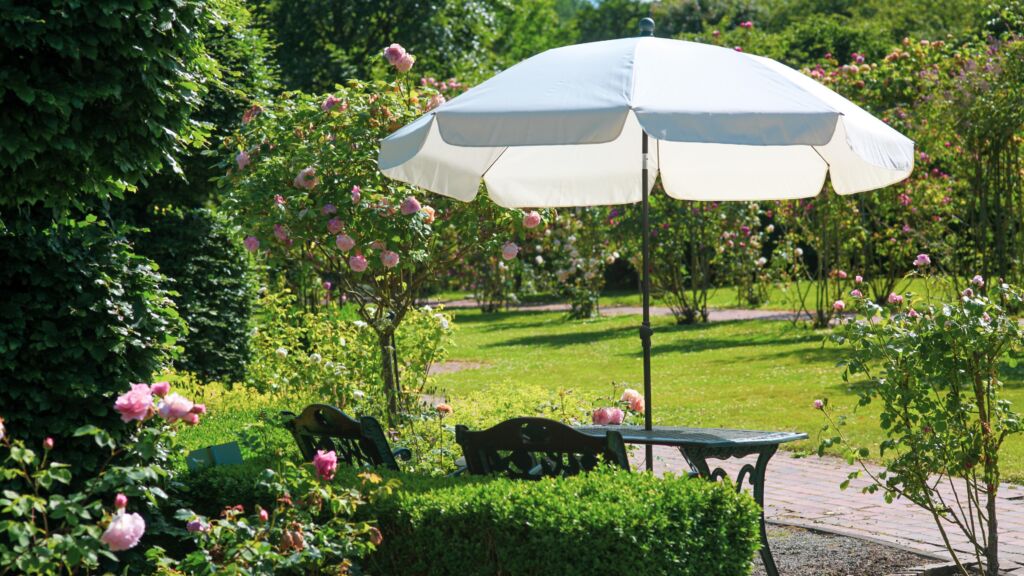
Centre-pole parasols are a good option for dining tables with a central opening and are useful if you have limited space. Centre-pole parasols are usually lighter than cantilever models, so are easier to move around the garden. And because they are lighter, they require a smaller base, which won’t take up so much room.
Ease of opening and closing
Some parasols are easier to open than others. It is definitely worth testing different types to see how easy they are to open, close and adjust. Basic models are often opened and closed by pushing the ribs up and down the pole – and often, the cheaper you go, the less easy it is to open or control them. If you struggle with this, look for a model with a winding handle, which makes opening and closing much easier, particularly if you have a large canopy.
Choose quality fabrics
Not all parasol fabrics perform equally. Lower-cost materials may fade or deteriorate after just a few seasons, so always look for acrylic fabrics that are specifically designed for outdoor use and will be fade-resistant. Some brands use premium quality UV-resistant fabric that is not only fade resistant, but also waterproof.
Also consider the colour of your parasol. There are so many options, from solid shades to stripes and contemporary patterns, so there’s something to suit every garden. Think about how it will complement its surroundings. You could pick up colours from your planting scheme, echo the tones of your patio, or coordinate with the brickwork, render or window frames of your home. Bold colours can create a striking focal point and add personality to an outdoor space, while neutral and muted tones create a calmer, more understated look.
Consider wind performance
British weather is famously unpredictable, so wind resistance is an important consideration. Many quality parasols feature a vented canopy, allowing air to pass through the top to help reduce wind pressure and improve stability in breezy conditions. However, no parasol is designed to withstand all weather, and it is ultimately your responsibility to decide when conditions are too windy for it to remain open.
As a general rule, if the wind is strong enough to make the canopy flap excessively or the parasol move noticeably, it should be closed and secured. Leaving a parasol open in high winds risks damage not only to the parasol itself but also to garden furniture, nearby windows, vehicles and even neighbouring properties.
What sort of base do you need?
Choosing the correct base is key to keeping your parasol safe and stable. A base that is too light can be dangerous, causing the parasol to tip over and potentially damage furniture or the parasol itself. Any parasol you buy should come with a recommended base size and weight, which should always be followed.
There are several types of base available to suit different installations. Freestanding bases are the most common and are available in materials such as concrete, granite, plastic and steel. Some bases are weighted down with paving slabs, while others can be filled with water. Others are on wheels, which make it easier to reposition the parasol around the garden.
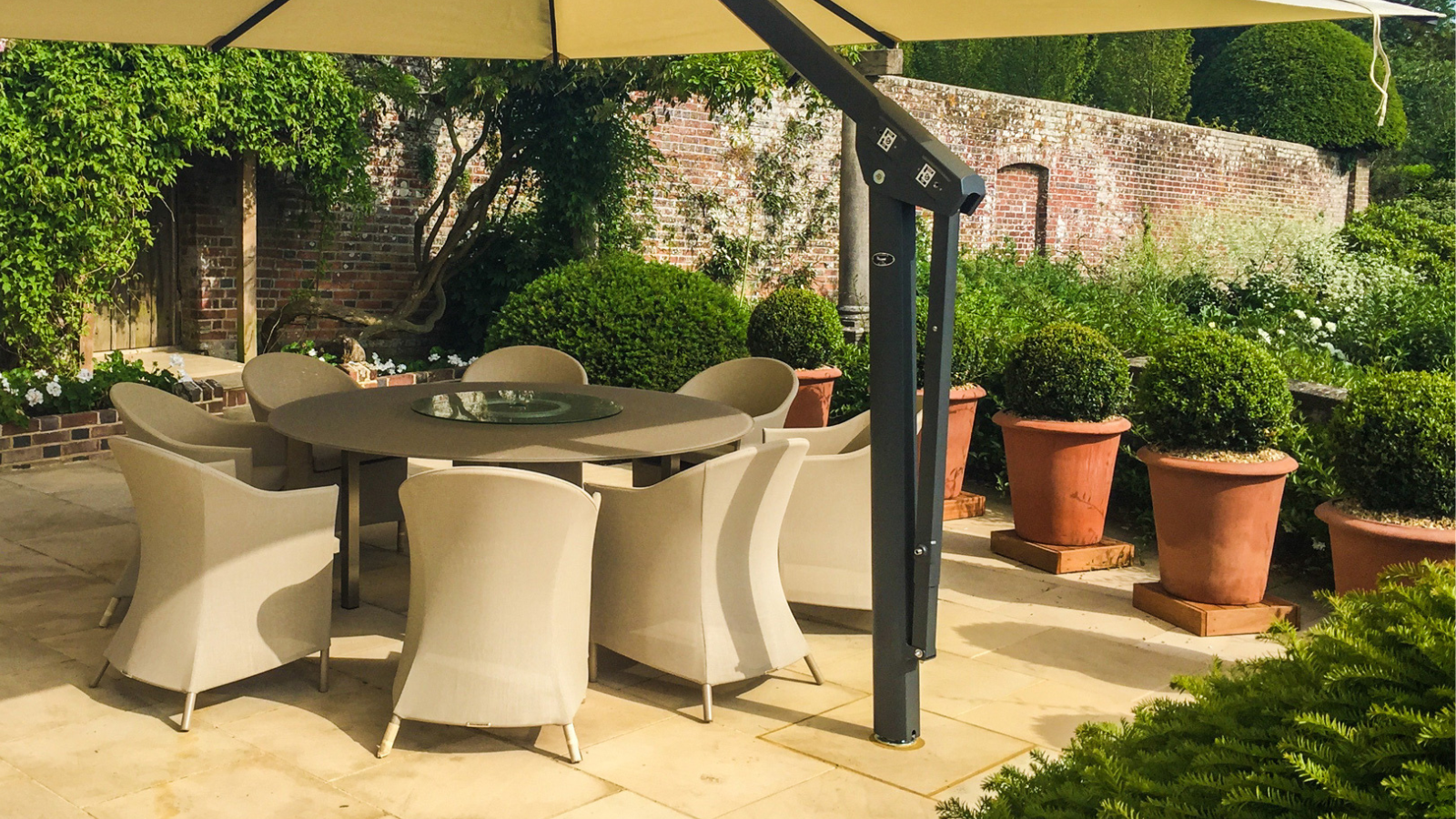
At the premium end of the market, some manufacturers offer permanent in-ground bases that are set into concrete below ground level, leaving a neat, unobtrusive fixing.
The right choice will depend on the size and style of your parasol, how permanent you want the installation to be and whether you need the flexibility to move it.
Maintenance matters
Regular care will keep your parasol looking its best for years. Brush away debris, clean the canopy with mild soapy water when required, and allow it to dry fully before closing. Using a protective cover when the parasol isn’t in use will also help preserve the fabric and frame.
Final considerations
The perfect parasol complements both your garden and your lifestyle. By considering size, design, fabric quality and performance, you’ll create an outdoor space that’s comfortable, stylish and ready to enjoy throughout the warmer months.
While a premium-quality parasol may require a higher initial investment, it is often the better long-term choice. Superior materials and robust construction can give you years of reliable performance, while looking good for a very long time.
Why choose a parasol from Alfresco Living?
- Curated brands: We only stock premium outdoor living brands, chosen for design, craftsmanship and performance.
- Proven expertise: We have more than 20 years of specialist knowledge helping homeowners choose the best products for their garden.
- Discover in person: Explore our parasols in our showroom and experience the collection first-hand, including all the different material samples.
- Fade resistant and waterproof: Premium acrylic fabric which is fade resistant and fully waterproof and comes in 20 different colours.
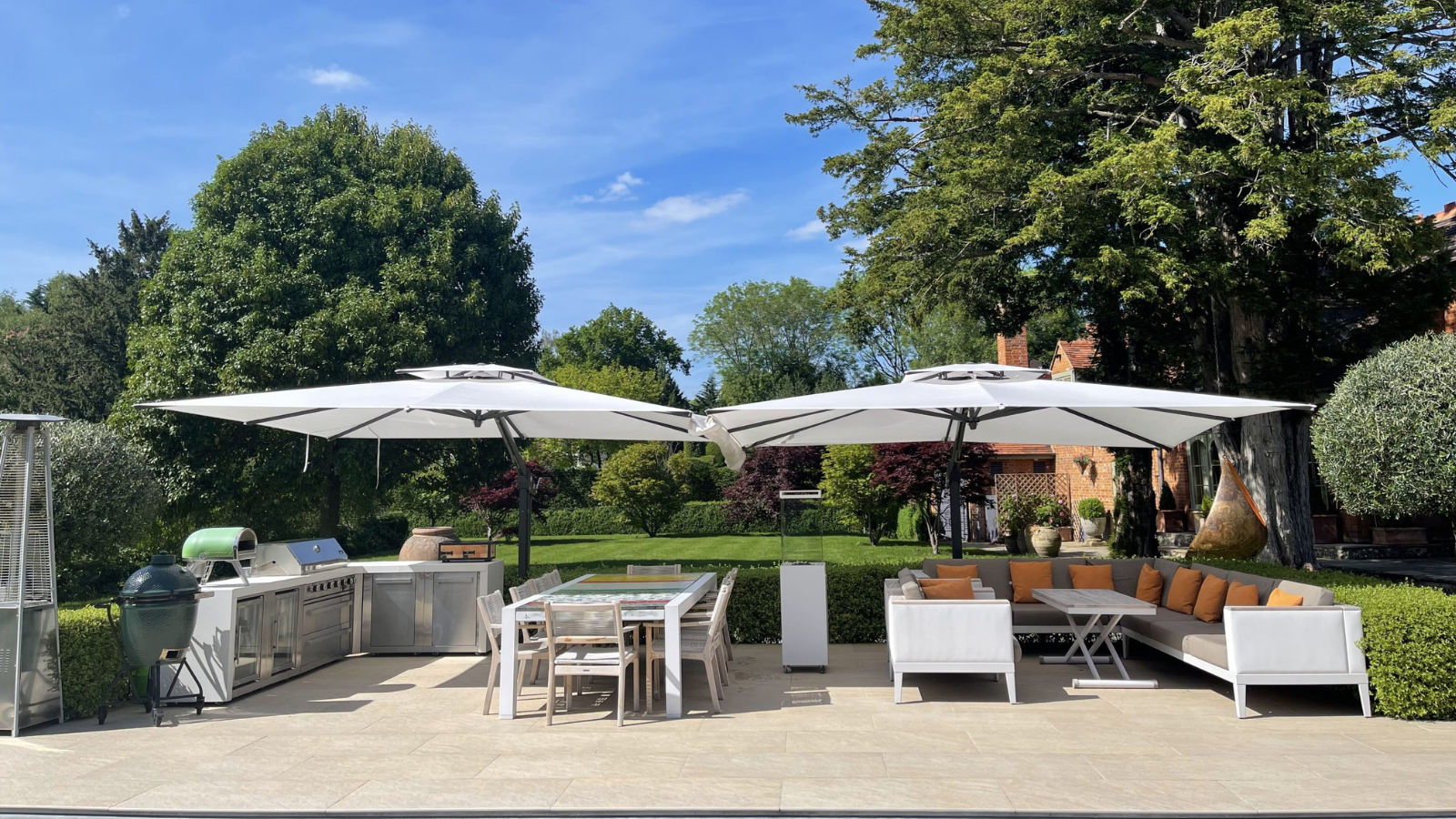
- Large choice of canopy size: Cantilever parasols come in sizes from 3m x 3m up to 4.5m x 3.5m. Centre-pole parasols can provide a canopy of up to 6m x 4m. In both models, bespoke canopy sizes are available.
- Fully adjustable: Cantilever parasols can be adjusted in height from 1.7m to 3m, can be tilted forward and back, and can be rotated 360°, so can be positioned over multiple spaces from one base.
- Range of base options: As well as being used with a freestanding base, Poggesi parasols can be installed in the ground, so there is no need for a bulky and visible base. This is a great option for a patio or terrace when you want to hide away the base.
- Wind resistance: Raised anti-wind bellows and aluminium ribs make Poggesi parasols incredibly strong.